

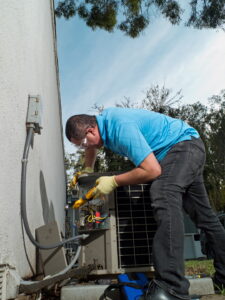
It’s no surprise that we think about air conditioners a lot here in Florida. We can sometimes even run our AC systems into the ground because we use them for most of the year. While we’re running these systems that keep us so comfortable, it’s important to think every once in a while about how they work.
If you’re a newcomer to the HVAC industry, or you’re an old-timer who wants a bit of a refresher on how your AC system works, then we can help. We want to talk about refrigerant, and answer some questions that homeowners might have about this material and how it relates to your air conditioning in Gainesville, FL.
We’ll go over the recent R-22 phaseout, signs you’ve got a refrigerant leak, and more! Just remember to call our team when you need help.
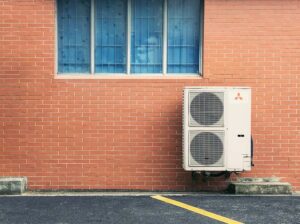 This is a big question we get often by homeowners in our area. Which system should they invest in, a central air conditioner or a heat pump? Or, a lot of homeowners simply ask, “which system is better?”
 It’s that time of year. Temperatures are slowly rising, and our tolerance for heat and humidity is slowly dwindling as we get used to these new spring temperatures. At first, it’s wonderful to feel the warmth of the sun and notice all of the blooming plants. Then, humidity levels rise and we get downright miserable with our first few heatwaves of the year.
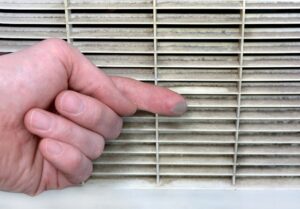 Air ducts are essential to the functionality of our air conditioners and heating systems. Without them, we either have to rely on specific heating and cooling systems, like ductless mini splits, or figure out some other way to have treated air distributed throughout our homes. The longer your air ducts go without being cleaned, the more likely it is that your indoor air is suffering from a wide variety of contaminants. Let us explain.
 Furnaces are common around here. If you take a survey of your neighborhood and ask them about the type of heater they rely on, you’ll likely hear about many gas furnaces. They’re affordable, powerful, effective, efficient, and they’ve really got no downsides that other systems don’t have as well.
 Your heater deserves the best care possible. When something goes wrong, the first thought through your head is probably the worry about how much it’s going to cost. While this is definitely the most important aspect of HVAC work from a customer’s perspective, you should also be wary of short-cuts and cheap fixes. There are quite a few dos and don’ts of
  Contrary to what some people might tell you, electric furnaces are pretty common in our area. They’re affordable, efficient, and they’re perfect for keeping a home warm during a Florida winter. However, they’re not without their own set of unique problems.
 Have you ever wondered about what keeps heat inside your home in the winter, and outside in the summer? Aside from the air that’s blown in through your HVAC system, and the walls of your home, there has to be something else that helps, right? Something sits in your attic between you and the cold (or heat) of the outdoor air and keeps you safe, healthy, and comfortable. This is called attic insulation, and it’s what we’re here to talk about.
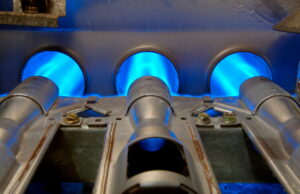 Well, how is it? We’re not asking you rhetorically, we want you to truly think about the performance of your heater. It’s heating season here in Florida, and many homes are struggling to meet the demands of their owners. Heaters are chugging along as well as they can, and we want to let you know that we can help. We’re not just a team that’s dedicated to broken down heaters, but also to the ones that are struggling.
 The outbreak of a pandemic this year has really pulled things into perspective. With COVID-19, we’re seeing just how easily something like a virus could spread, and it’s becoming more and more apparent how poor our indoor air quality is. It’s not anyone’s fault, least of all you, but something needs to be done about it. While tests and studies are still coming out about this virus in particular, other contaminants can be stopped in their tracks with